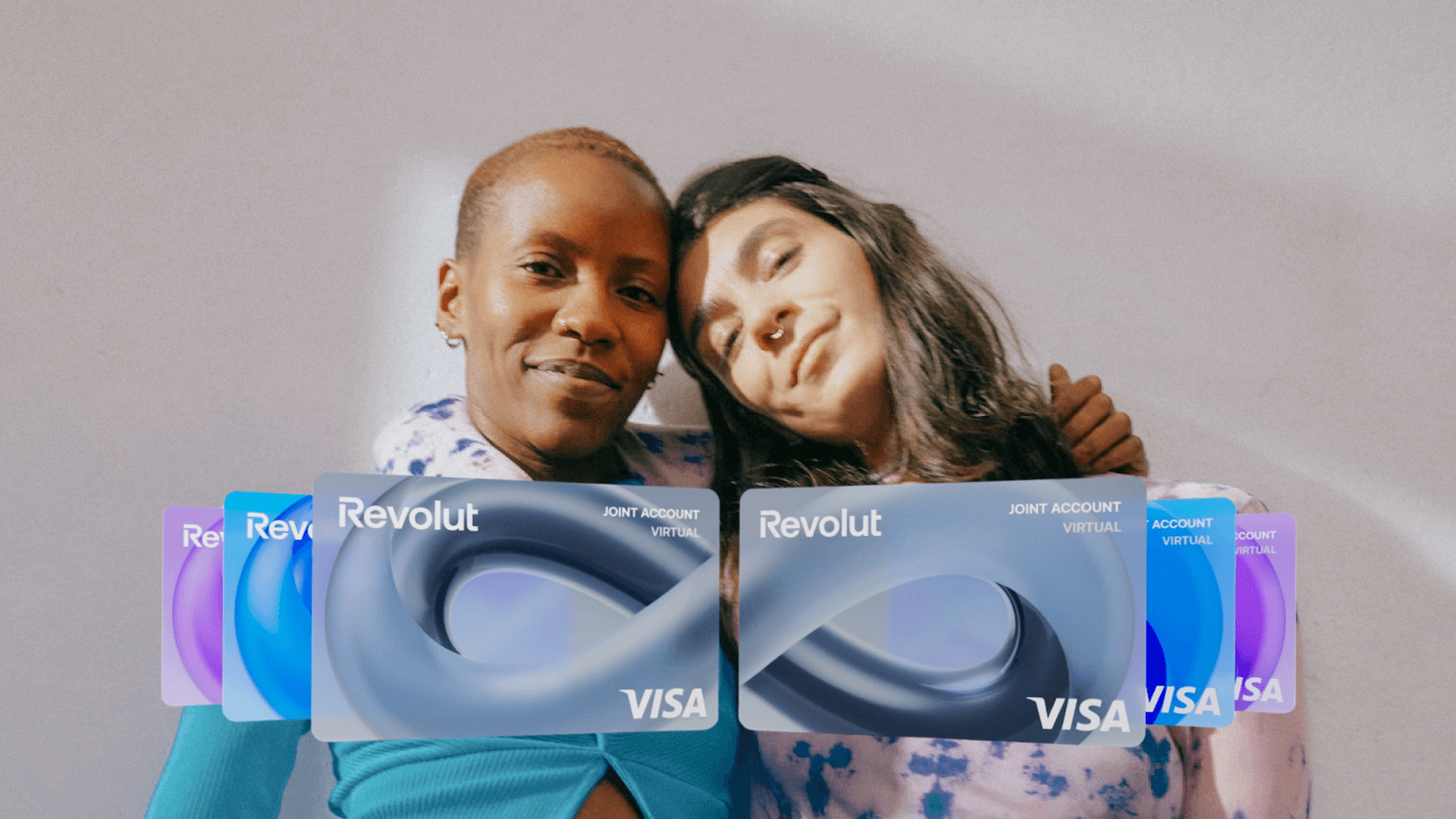
Vivete insieme, dividete l'affitto, la spesa e le bollette, e siete stanchi di rincorrervi con i bonifici ogni fine mese. Oppure organizzate un viaggio in due e volete un posto unico da cui attingere per le spese comuni. In entrambi i casi, prima o poi arriva la stessa domanda: conviene aprire un conto cointestato con Revolut?
È una domanda sensata, e la risposta merita più di un semplice sì o no. In questa guida vediamo cos'è davvero il conto cointestato Revolut, come si apre passo dopo passo, quanto costa senza giri di parole, come funziona nella pratica e quali sono i suoi limiti reali. Alla fine capirai se fa al caso tuo, e cosa fare se quei limiti ti bloccano.
| Conto cointestato Revolut | Cino | |
| Cosa apri | Un nuovo conto condiviso | Niente, colleghi la carta che hai già |
| Quante persone | Massimo 2 | Quante ne vuoi |
| Serve la stessa banca? | Sì, entrambi devono avere Revolut | No, funziona con qualsiasi banca italiana |
| Costo | Conto gratis, ma commissioni sui cambi valuta secondo il piano | 20 centesimi a transazione, massimo 5€ al mese |
| Visibilità del saldo | Entrambi vedete tutto il conto | Ognuno vede solo il proprio conto personale |
| Se vi separate | Dovete chiudere il conto e dividervi i fondi | Elimini la carta condivisa in pochi secondi |
Il conto cointestato Revolut è un conto condiviso, nuovo e separato dai vostri conti personali, intestato a due persone. Entrambe hanno pieno e pari accesso al saldo: chiunque può spendere, versare o prelevare denaro senza bisogno dell'approvazione dell'altro. Ognuno riceve la propria carta, fisica e virtuale, collegata allo stesso saldo condiviso.
L'idea è semplice: invece di continuare a spostare soldi da un conto all'altro, versate entrambi su un unico salvadanaio comune e da lì pagate le spese condivise. È pensato soprattutto per le coppie, ma può essere usato anche tra familiari o amici che condividono spese ricorrenti. Se state valutando anche le banche tradizionali, qui trovi il confronto sul miglior conto cointestato tra le banche italiane.
L'apertura avviene esclusivamente dall'app Revolut: non esiste una procedura da browser. Ecco i passaggi.
1. Assicuratevi che entrambi abbiate un conto Revolut personale attivo: il conto cointestato si crea a partire da due account già esistenti.
2. Aggiungete l'altra persona ai vostri contatti e verificate che sia già tra i vostri contatti Revolut.
3. Nella schermata Home dell'app, toccate Conti, sotto il saldo.
4. Selezionate Aggiungi nuovo e poi scegliete l'opzione Cointestato.
5. Seguite le istruzioni e inviate l'invito all'altra persona.
6. L'altra persona accetta l'invito dalla propria app: una volta accettato, il conto condiviso è attivo e visibile a entrambi.
Due requisiti importanti: potete avere un solo conto cointestato Revolut alla volta e il conto è limitato a due cointestatari. Se cercavate un conto condiviso tra tre o quattro persone, per esempio una casa di coinquilini, questa è già la prima limitazione da tenere a mente.
La risposta onesta ha due livelli. Il conto cointestato in sé è gratuito: non ci sono costi di apertura, non c'è un canone mensile dedicato al conto condiviso e non ci sono importi minimi da mantenere.
Il punto che quasi nessuno spiega è il secondo livello: le commissioni e i limiti seguono il piano personale di ciascun intestatario. Quando usate il conto cointestato, per la maggior parte delle operazioni si applicano le stesse commissioni e gli stessi limiti che avreste sul vostro conto personale. Se tu sei sul piano Standard e il tuo partner è su un piano a pagamento, potreste avere costi e soglie diversi sulla stessa operazione, a seconda di chi la effettua.
Un esempio concreto sono i cambi valuta. Sul piano Standard paghi un piccolo margine sui cambi nel weekend, mentre i piani a pagamento come Plus, Premium o Metal lo riducono o azzerano. C'è inoltre un limite mensile di cambio gratuito oltre il quale scattano le commissioni. Se viaggiate spesso o pagate in valute diverse dall'euro, questi dettagli contano.
In sintesi: gratis è vero per l'esistenza del conto, ma il costo reale dipende da come lo usate e dai piani che avete.
Una volta aperto, il conto cointestato funziona come un normale conto Revolut, ma con quattro mani. Potete versare denaro dai vostri conti personali, impostare bonifici ricorrenti per alimentarlo ogni mese e pagare le spese condivise direttamente con le carte collegate. Ogni transazione è visibile a entrambi in tempo reale, il che rende tutto molto trasparente.
Potete anche collegare un salvadanaio condiviso per mettere da parte insieme i soldi per un obiettivo comune: una vacanza, un trasloco, un regalo importante. Per le spese ricorrenti e pianificate, il modello del salvadanaio condiviso funziona bene. L'attrito nasce altrove, ed è importante saperlo prima di iniziare.
Nessuno strumento è perfetto, e il conto cointestato Revolut ha quattro limiti concreti che vale la pena mettere sul tavolo con onestà.
Il conto condiviso esiste solo all'interno dell'ecosistema Revolut. Se il tuo partner, coinquilino o compagno di viaggio usa un'altra banca e non ha intenzione di aprire un conto Revolut, il conto cointestato semplicemente non è un'opzione.
È perfetto per una coppia, ma esclude i gruppi. Tre coinquilini, quattro amici in vacanza, un gruppo che condivide una casa: qui il limite di due intestatari diventa un muro.
Avete entrambi pieno accesso all'intero saldo. Questo è il bello e il rischio insieme: l'altra persona può spendere o prelevare l'intera somma senza il tuo consenso. Con un partner di cui ti fidi ciecamente è un dettaglio; in situazioni meno stabili, è qualcosa da considerare seriamente.
I cambi valuta hanno margini e soglie che dipendono dal piano. Per quanto riguarda la sicurezza, i fondi Revolut sono protetti dal sistema di garanzia dei depositi lituano, perché Revolut Bank opera dalla Lituania, fino a 100.000 euro: una protezione reale, ma diversa da quella di una banca italiana tradizionale.
Ecco una distinzione che quasi tutte le app ignorano: tracciare le spese e dividerle sono due cose diverse. Un conto cointestato vi dà un salvadanaio comune, ma richiede che entrambi apriate un nuovo conto, che siate solo in due, e che accettiate la responsabilità solidale.
Se invece il vostro problema è più semplice, e volete solo dividere le spese man mano che le fate, senza aprire nulla di nuovo e senza essere necessariamente in due, esiste un altro approccio.
Cino non è un conto: è un'app che crea una carta condivisa collegata alla carta di debito che ciascuno già possiede. Funziona con qualsiasi banca italiana: PostePay, Intesa Sanpaolo, Banca Sella, Revolut, ING e molte altre. La differenza chiave è nel momento del pagamento: quando qualcuno del gruppo paga con la carta condivisa, la spesa viene divisa e addebitata nello stesso istante, e ognuno paga solo la propria quota, direttamente sul proprio conto. Nessun salvadanaio da alimentare in anticipo, nessun bonifico di rimborso, nessuno che anticipa per gli altri.
E a differenza del conto cointestato, Cino non si ferma a due persone: funziona anche per gruppi di amici o coinquilini, con la percentuale di divisione che decidete voi e potete cambiare quando volete.
Sul costo, per essere chiari: Cino non applica alcun canone mensile e non richiede l'apertura di un conto. Il modello è 20 centesimi a transazione, con un massimo di 5 euro al mese. Dopo circa 25 transazioni, tutte le altre del mese sono gratuite.
Sì. Revolut permette di aprire un conto condiviso tra due persone, chiamato ufficialmente “conto cointestato” nell'app: è la stessa cosa del “conto condiviso” di cui si parla spesso online, solo con nomi diversi.
Aprirlo è gratuito, senza canone mensile dedicato. Il costo reale dipende dal piano di ciascun intestatario: chi ha il piano Standard paga commissioni sui cambi valuta nel weekend e oltre certe soglie, chi ha un piano a pagamento le riduce o le azzera.
Entrambi dovete avere un conto Revolut personale attivo, aggiungervi come contatti, e poi da Home > Conti > Aggiungi nuovo scegliere l'opzione Cointestato e inviare l'invito. Tutti i passaggi dettagliati sono più sopra in questa guida.
No: è limitato a due intestatari. Per gruppi più ampi serve un altro tipo di soluzione, come un'app pensata per dividere le spese tra più persone senza aprire un conto condiviso.
Si fa dall'app Revolut. Uno qualsiasi dei due intestatari può chiedere la chiusura in qualsiasi momento, anche senza il consenso dell'altro. C'è però una condizione: il saldo deve essere a zero, quindi prima dovete spostare o dividervi i soldi rimasti. Chiudere il conto cointestato non chiude i vostri conti personali, che restano attivi.
Ogni intestatario ordina la propria carta dall'app, fisica o virtuale, e vede solo la sua. Per la prima carta del conto cointestato Revolut non applica la commissione per carta aggiuntiva; con il piano Standard può restare da pagare la consegna della carta fisica.
Puoi avere un solo conto personale, a cui puoi affiancare un conto cointestato: sono due conti distinti, con saldi e carte separati. Non puoi invece avere più di un conto cointestato alla volta: per aprirne uno con un'altra persona devi prima chiudere quello che hai.
Non esiste una risposta valida per tutti, quindi ecco il riassunto onesto. Il conto cointestato Revolut ha senso se siete una coppia, usate già entrambi Revolut, e volete un vero salvadanaio comune con carte dedicate e un conto di risparmio per mettere da parte insieme.
Cino ha senso se non volete aprire un nuovo conto, se usate banche diverse, se siete più di due, o se il vostro bisogno reale è semplicemente dividere le spese nel momento in cui le fate, che siate una coppia a cena o un gruppo di amici in vacanza, senza rincorrere nessuno. Se siete una coppia, qui trovi anche il dettaglio di come funziona la carta condivisa di Cino per le coppie.
Se ti riconosci nella seconda descrizione, la strada più semplice è anche la più veloce: Scarica Cino gratis.
.png)


