If you feel like money leaves your account faster than you can keep track of it, you’re not alone. Between daily spending, business costs, trips away and shared bills, it’s very easy to lose sight of where your money actually goes.
That’s where a good expense tracker comes in. But not all expense trackers are built for the same job. The app that’s perfect for your personal budget won’t necessarily be right for your business expenses, and the tool that’s great for shared bills might be useless for solo spending.
Below is a practical guide to the best expense trackers for 2026, broken down by what you actually need:
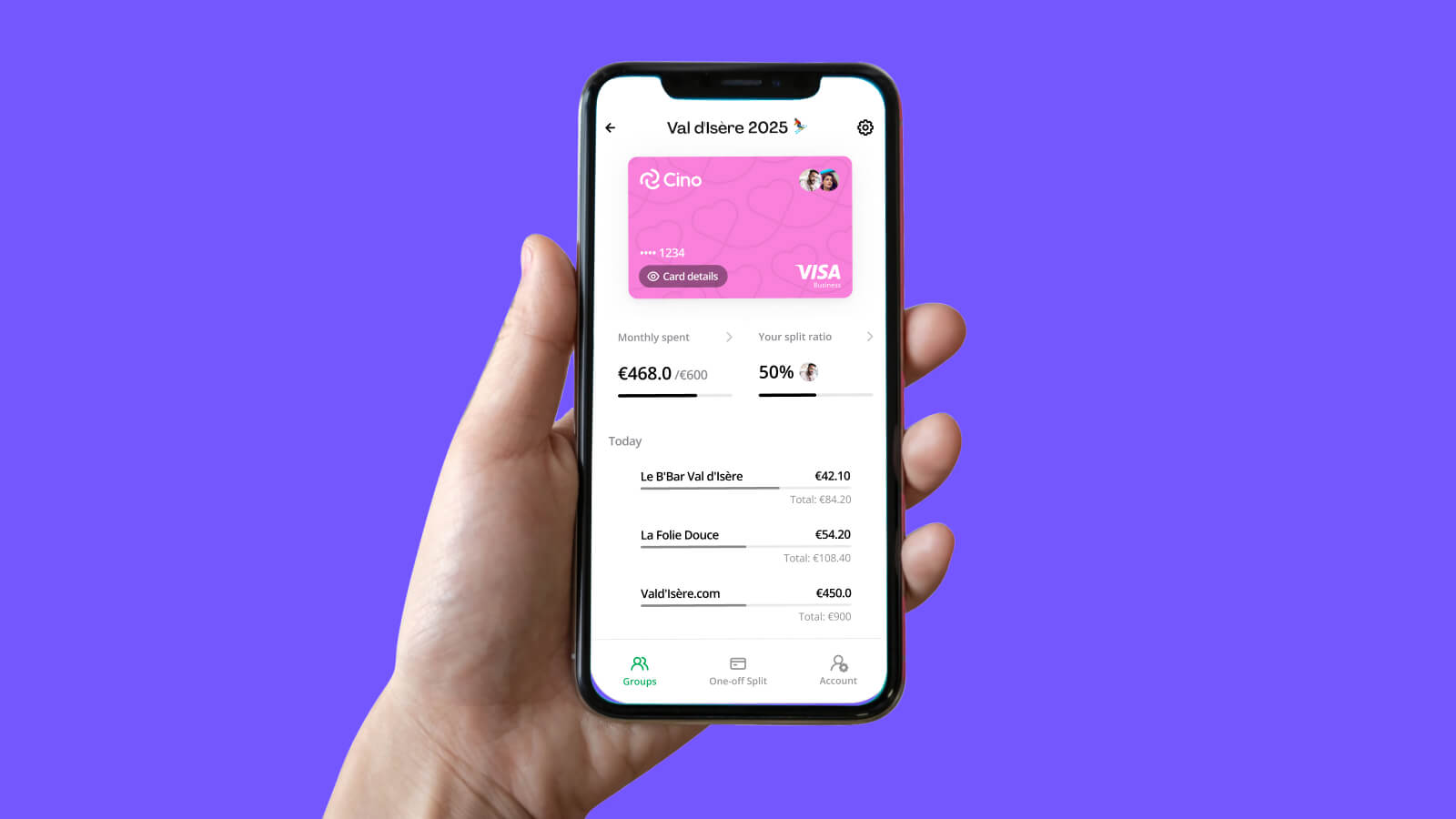
If you want an automatic expense tracker for shared expenses, Cino is the first bill splitting app that automatically tracks all your shared expenses and splits payments automatically.

If your main goal is simply: “I want to know where my money goes each month and stay in control”, you need an expense tracker that connects to your bank accounts, categorises spending, and shows you patterns at a glance.
Two standout options here are Emma and PocketGuard.
Emma connects to your bank accounts and cards and pulls your transactions into one place. It’s especially handy if you have money spread across multiple banks, credit cards or savings pots.
What Emma does well as a personal expense tracker:
Emma is ideal if you want a bird’s-eye view of your finances without manually logging every transaction. You still need a bit of discipline to use the insights, but it makes “where did my money go?” a much easier question to answer.
PocketGuard focuses on the core question: “How much can I safely spend?”
Once connected to your accounts, it calculates your income, bills and savings goals, then tells you what’s left over. That “leftover” bucket is what you can spend without wrecking your budget.
Why it works as a personal expense tracker:
If you mainly care about staying in the black and not overshooting each month, PocketGuard is a strong, low-fuss option.
Business and freelance expenses are a different beast. You need clean records, receipts, categories, and sometimes exportable reports for tax or reimbursements. Here, automation and structure matter more than aesthetics.
The standout choice in this category is Expensify.
Expensify is built for people who need to treat expenses professionally: freelancers, contractors, business owners and employees who have to submit expense reports.
Why Expensify is one of the best expense trackers for business:
It’s more structured and a bit less “friendly” than personal finance apps — but that’s the point. For business expenses, you want clean, reliable records and less time messing around with spreadsheets.
If your main priority is keeping your business expenses clean and compliant, Expensify is hard to beat.
Shared expenses are where things get emotionally charged: rent, utilities, streaming services, food shops, dinners out, birthday gifts, weekend trips, holidays. Someone always ends up fronting cash. Someone pays late. Someone forgets. And someone becomes the unofficial accountant.
A shared expense tracker shouldn’t just record who owes what — it should remove the friction around paying each other back.
This is where Cino stands out.
Most shared-expense apps still work like this:
It’s still manual, and someone is always out of pocket until everyone settles up.
Cino flips that model completely.
Instead of tracking expenses after the fact, Cino uses shared virtual cards to split payments automatically at the moment of purchase. Each person’s share is taken from their own bank card right away — no IOUs, no chasing, no “I’ll send it later.”
Why Cino is the best expense tracker for shared expenses in 2026:
If you live with a partner or housemates, Cino solves problems that traditional expense trackers don’t: it doesn’t just tell you who owes what — it stops anyone from being owed in the first place.
To keep it simple, ask yourself:
You may even end up using more than one: one app for your personal budgeting, another for business, and Cino purely for shared living.
There’s no single expense tracker that’s best at everything. The right one depends on whether you’re managing yourspending, your business, or your shared life.
The key is to match the tool to the job. Once you do, tracking expenses stops being a chore — and starts being the thing that makes your money feel calmer, clearer and under control.
.png)


